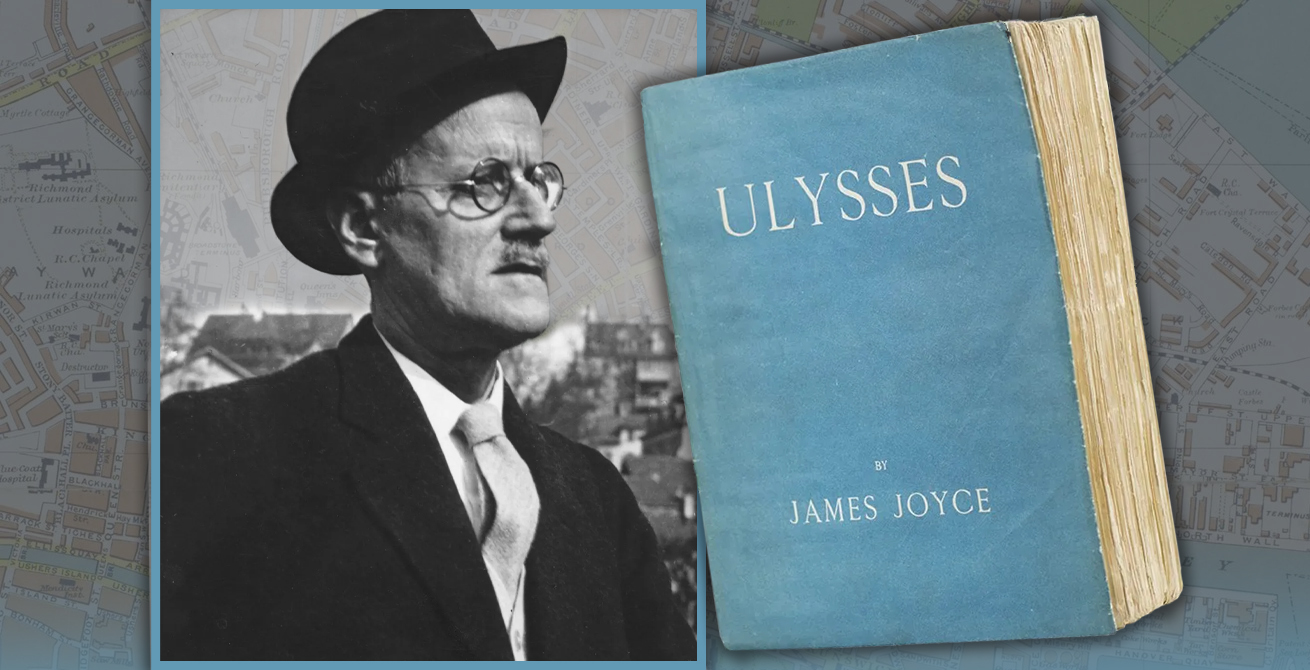
February 2, 1882, is the birthdate of James Joyce, one of the leaders of the modernist movement in literature and one of the early 20th century’s most important writers, poets, and literary critics.
Joyce was born in Dublin, Ireland, to a middle-class family and was educated, in part, in the rigorous system of the Jesuit sect. The novelist related many of his educational experiences in his semi-autobiographical work, A Portrait of the Artist as a Young Man.
Joyce’s 1922 novel, Ulysses, is widely regarded as one of the greatest novels ever written. Taking place in Dublin, Ulysses follows a day (June 16, 1904) in the life of Leopold Bloom, who sells advertising for a newspaper. Bloom’s daily tasks cleverly mirror events from the ancient Greek poet and orator Homer in his classic epic poem, The Odyssey. Through the unique use of language and stream of consciousness writing, tackling Ulysses can present a challenging but worthwhile endeavor to read.
The novel was challenged in the United States and the United Kingdom due to objections of obscenity and was not widely available to read until the mid-1930s. The novel addresses anti-semitism, British rule in Ireland, Irish Nationalism, and matters of marriage and infidelity. Every June 16th, literary fans flock to Dublin to commemorate this outstanding work.
Joyce’s memorable style, wit, and use of the stream of consciousness technique all combined to make the author’s works unique and a standout among modernist writers. Whether you are an experienced Joyce reader or are new to the author, here are this blogger’s picks for suggested reading from the Library Catalog.
Immerse yourself in the minds of Joyce’s memorable characters in early 20th century Dublin. Although a considerable read with countless literary devices and Joyce’s one-of-a-kind stream of consciousness passages, reading Ulyssess is its own reward.
Meet Stephen Dedalus and walk with him as he experiences a spiritual and intellectual awakening. Like his mythological namesake, Daedalus who crafted wings to escape imprisonment on the isle of Crete, Stephen is a craftsman and escapes from the Catholic and Irish traditions in which he was raised. Dedalus’s story will continue in Joyce’s Ulysses.
Looking for more insight into the novel Ulysses, look no further. This book contains several critical essays on Ulysses as well as interviews with the author himself.
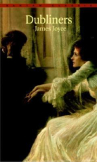
This Joyce collection of 15 short stories is centered around the working-class citizens of Dublin under British rule. This collection contains memorable characters, some of whom resurface in Ulysses, and situations reflecting the city in search of its own identity.
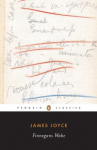
Largely experimental in nature, this novel gained a reputation of being very difficult to read. The novel explores the lives of the Earwicker family and their search for meaning and redemption.