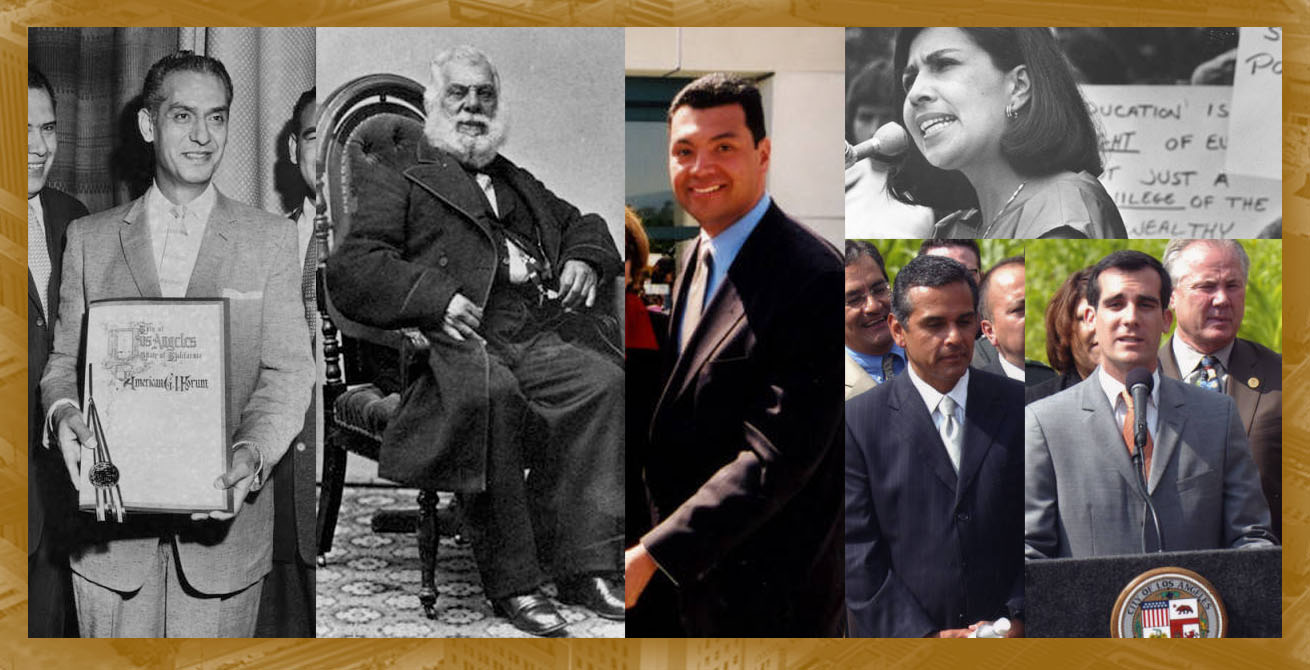
The vibrant legacy Latino leadership in Los Angeles is woven deeply into the city's political, social, and cultural fabric. From the earliest days of California's history to the halls of Congress, Latino elected officials have been at the forefront of shaping Los Angeles into a dynamic, inclusive, and forward-thinking city.
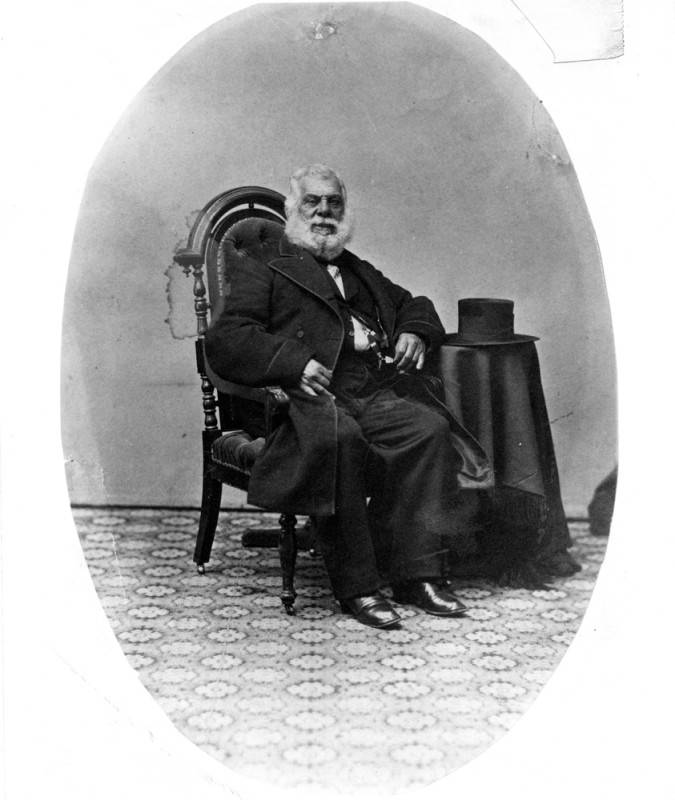
It began in the 1800s with Pío de Jesús Pico, a prominent Afro-Mexican leader and the last governor of California under Mexican rule. Serving from 1845 to 1846, just before California became part of the United States, Pico fought for a more democratic and representative system of governance. Often clashing with centralized Mexican authority, his efforts symbolized the early push for local leadership and self-determination—principles that remain central to Latino civic engagement today.
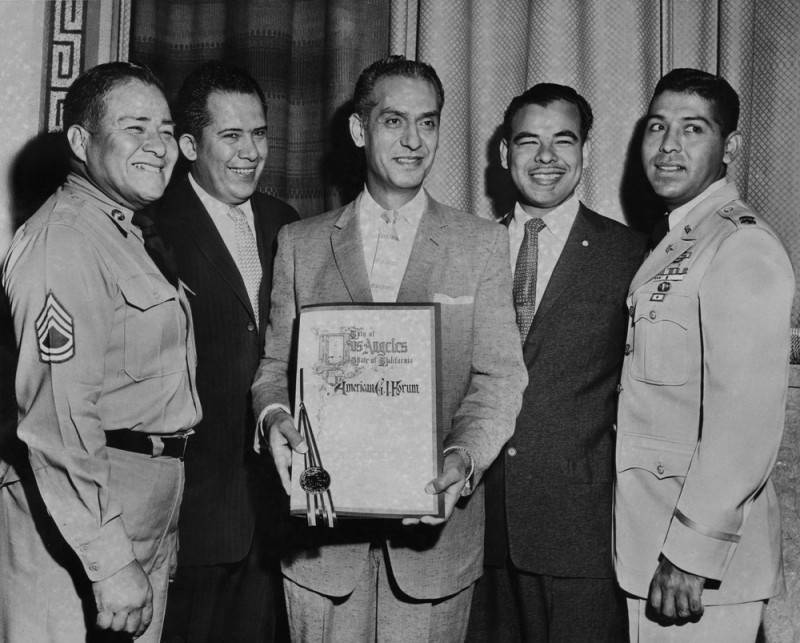
Fast forward a century, and Edward R. Roybal emerged as a trailblazer for Latino political representation in modern-day Los Angeles. Elected to the Los Angeles City Council in 1949, he became the first Latino on the Council in the 20th century and later served in the U.S. House of Representatives from 1963 to 1993. Rooted in public health advocacy, Roybal championed access to medical care, immunization efforts, and bilingual health education long before these became national priorities. His legacy is one of compassion, resilience, and commitment to underserved communities.
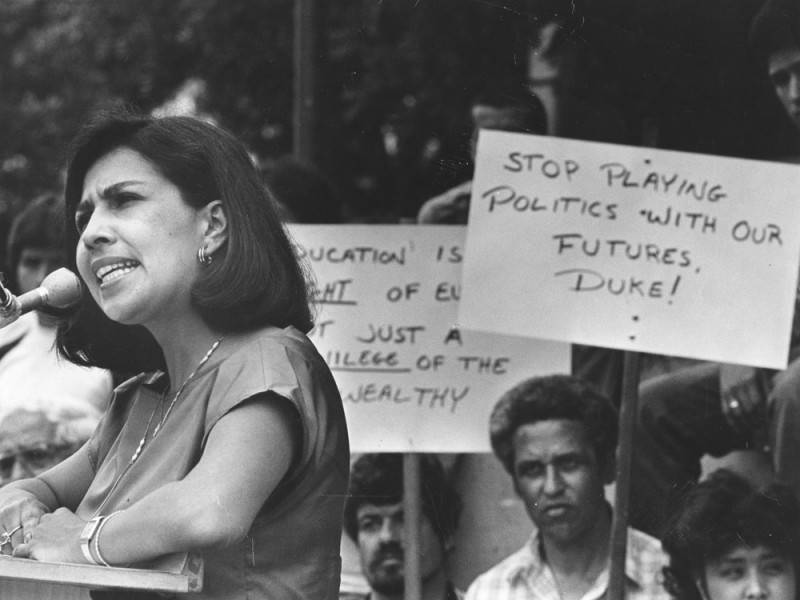
In 1987, Gloria Molina shattered another barrier, becoming the first Latina elected to the Los Angeles City Council. Before that, she served in the California State Assembly, focusing on education, women's rights, and consumer protection. Molina, raised in Montebello and educated in local schools and colleges, fiercely advocated for equity and accountability. Her leadership extended to the Los Angeles County Board of Supervisors, where she became a powerful voice for the San Gabriel Valley and beyond. Molina's work paved the way for generations of Chicana leaders to follow.
At just 26 years old, Alex Padilla made history as the youngest person and first Latino elected to the L.A. City Council in 1999. A graduate of MIT and a son of working-class immigrants from Pacoima, Padilla rose quickly through the ranks of California politics. He served as President of the California League of Cities, was elected to the State Senate, and in 2014 became California Secretary of State, where he championed voting rights and civic participation. In 2021, he was appointed to the U.S. Senate, becoming the first Latino to represent California at that level.
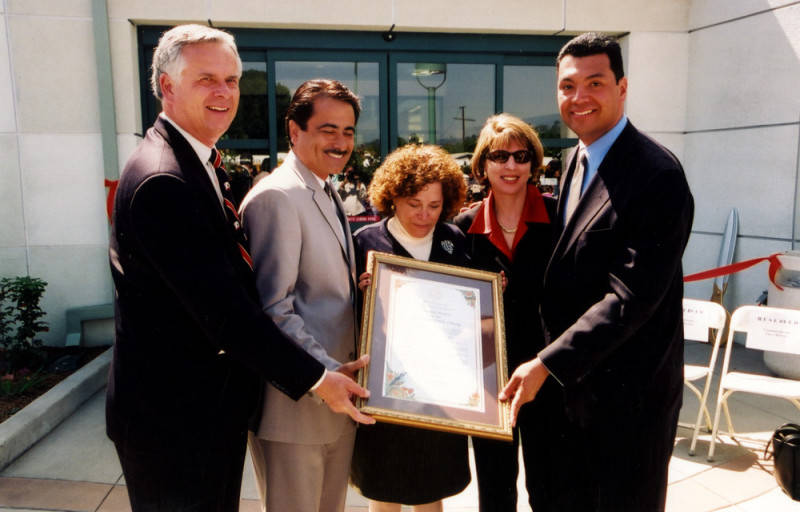
When Antonio Villaraigosa was elected Mayor of Los Angeles in 2005, he became the city's first Latino mayor since 1872. An East L.A. native and a lifelong activist, Villaraigosa overcame personal struggles, including dropping out of high school, to become a leading voice for labor rights, education reform, and public transportation. His two terms as mayor were marked by efforts to improve schools, expand transit infrastructure, and unite diverse communities under a shared vision for Los Angeles.
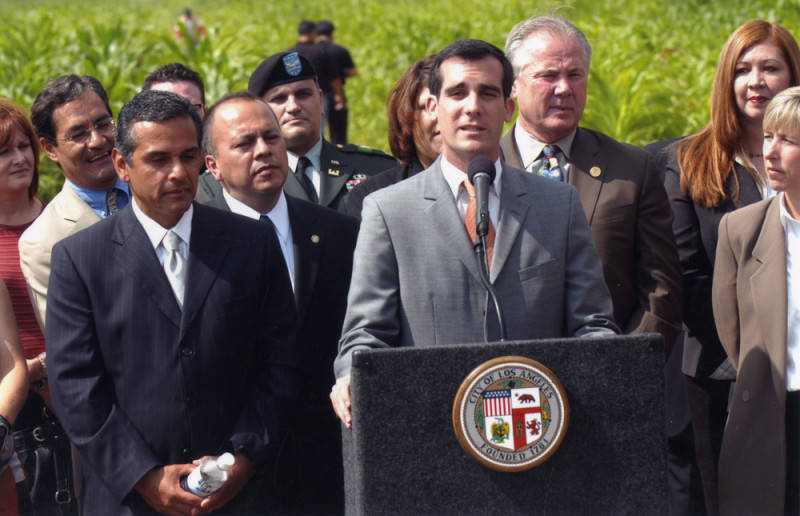
Eric Garcetti became mayor of Los Angeles in 2013 after winning a runoff election with 54% of the vote, defeating City Controller Wendy Greuel. He was the second consecutive L.A. mayor of Mexican descent, and the city's first Jewish mayor, with family roots also tracing to Italy and Russia. A Democrat, Garcetti was first elected to the City Council in 2001 at age 32, representing Hollywood and surrounding areas. He later served as Council President from 2006 to 2012. As mayor, he promoted urban development, rallied over 400 U.S. cities to adopt the Paris Climate Agreement, and led the successful bid for the 2028 Summer Olympics.
The journey of Latino political leadership in Los Angeles reflects a broader story of perseverance, progress, and pride. From Pío Pico to Alex Padilla, these individuals broke down barriers, uplifted their communities, and helped define what it means to serve with integrity, purpose, and vision. Today, the presence of Latino leaders in local, state, and federal offices continues to grow with the promise of a more inclusive and equitable Los Angeles.