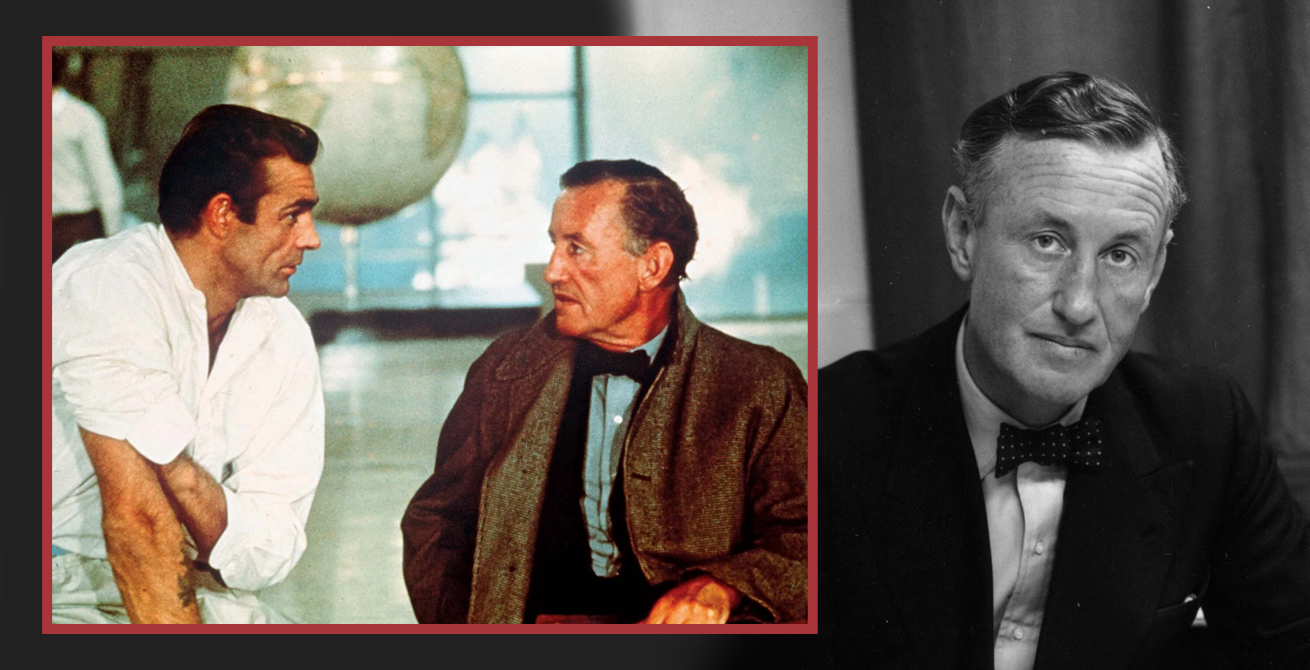
"Bond. James Bond."
This iconic opening line to the exotic world of Agent 007 in high-end bars and free-wheeling, global casinos was first spoken by actors starting with Sean Connery in the first Bond film, Doctor No. The cinematic torch passed, decade after decade, to George Lazenby, Roger Moore, Timothy Dalton, Pierce Brosnan, and most recently, Daniel Craig. Today, a new acting successor awaits to inherit the screen mantle of James Bond.
But only in the movies could such a mixture of suave spydom co-exist with a careful concoction of beautiful women, amazing gadgets, diabolical villains and their hideous henchmen, breakneck chases on land, sea, and in the air culminating in action-packed climactic commando raids all set to music by the hottest pop artists.
But the origin of James Bond can actually be traced back to a case of pre-wedding jitters felt by writer and journalist Ian Fleming, who married at 44. Fleming was born on May 28, 1908, and died on August 12, 1964. He originally wrote the novel Casino Royale at his beloved home, Goldeneye, in Jamaica, as he sought a way to calm his pre-wedding nerves. The name "James Bond" was lifted from the author of a book about Caribbean ornithology found in Fleming’s personal library.
Fleming was born to a wealthy and influential family; his father served in Parliament. During the Second World War, he was involved in planning Operation Goldeneye, a British sabotage and counterinsurgency operation in the event that Nazi Germany seized control of Spain under Francisco Franco. Fleming also played a pivotal role in two British intelligence units, the 30 Assault Unit and the T-Force.
But Fleming’s Bond is a far cry from the near-superhuman and suave secret agent made famous in 27 feature films. Fleming’s Bond is a peculiar mix of an obsessive-compulsive secret operative who drinks too much and smokes tobacco to excess while engaging in both espionage and assassination. Bond’s habits are meticulous, including showering methodically first under steaming hot water, then under ice-cold water, a strong preference for coffee over the British standard of tea, and a dislike of using handkerchiefs. But the original literary Bond novels were gritty and adrenaline-fueled thrillers, unlike anything the espionage genre had seen before.
During culminating action sequences, Fleming could accurately describe an adrenaline rush, the onset of fear, and the fight-or-flight response before the secret agent went into action against other spies, master criminals, and assassins. The realistic, down-to-earth approach to the world’s most famous spy was not truly adopted on screen successfully until Craig took the role in a gritty adaptation of Casino Royale in 2006. Previous efforts by both Lazenby and Dalton to make Bond closer to the source material were met with indifference by film audiences, who were enamored by the larger-than-life Bond.
Ian Fleming is a writer worth reading for anyone who likes a good story. Whether you fancy yourself a cinematic Bond aficionado or if you’ve never even read Fleming, here are this blogger’s picks for the best of Ian Fleming in the Library catalog.
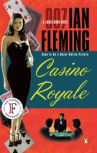
Read the prime mover in the Bond Literary Legacy. In this page-turning espionage thriller, Bond matches both his spy skills and his gambling cunning against the sadistic Le Chiffre, a money man for the infamous SMERSH, a pro-Soviet faction devoted to the destruction of the West.
Fleming outdoes himself with a follow-up to the original Bond novel. This time, Bond must face off against Harlem criminal boss Mr. Big.
Warning: contains strong language and graphic depictions of violence, including Bond’s American ally, Felix Leiter, being fed alive to a bloodthirsty shark.
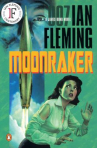
Bond is pulled into a deadly web while investigating the mysterious Hugo Drax, a former Hitler Youth now posing in British High Society, who is hellbent on targeting London with a nuclear-tipped missile.
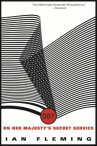
In this later Bond novel, the secret agent falls in love with a prominent and wild Italian Countess, Teresa di Vincenzo. Meanwhile, Bond’s nemesis, Ernst Stavro Blofeld, is poised to launch a deadly bacteriological weapon upon the globe from his secret fortress in the Alps. This novel showcases Bond’s vulnerabilities as a human, and it even features a mention of actress Ursula Andress, the very first on-screen Bond girl with whom Fleming was quite impressed.
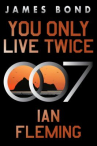
Bond is sent to Japan to face the master of a deadly suicide garden, only to find out that his target is none other than his old nemesis, Blofeld. A page-turning thriller that leaves our hero with severe amnesia following a blow to the head.
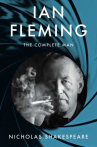
Read the most thorough and complete biography of the author ever written. As intriguing as the Bond novels themselves, biographer Shakespeare pulls back layer after layer of mystique about the writer in a spell-binding, captivating read that fans will treasure.