The other day, I walked out to my garden to discover a strange sight: two of my California poppy seedlings had leaves that looked completely different.
They still looked roughly like the same plant. I could swear they’d both had the same cotyledons (those first two simple leaves that seeds produce before growing their true leaves). Yet while the feathery little leaves of one seedling were the usual greyish-green of my other California poppies, the other’s leaves were greener, longer, and spikier. What was going on?
I might have never noticed the difference if it weren’t for my hobby: nature journaling.
What is nature journaling? Is it only for professional artists and scientists, or can anyone do it? Read on to find out!
What is nature journaling?
Nature journaling is the practice of using drawing, writing, data collection, and other methods to record your observations of the natural world around you. You might track a plant’s life cycle as it sprouts, grows, flowers, and goes to seed. You might write down all the bird calls you hear in an afternoon. Nature is bursting with plants, animals, and other fascinating phenomena to observe.
One important aspect of nature journaling is that it helps you learn about the subject you’re observing. That might sound obvious, but consider the difference between a nature journal entry and a simple drawing of a plant—say, a California poppy. When you just set out to draw a picture of a poppy, you might work partly from your imagination, putting in some orange petals and green leaves and calling it a day. With a nature journal, on the other hand, you try to capture data about the plant. You might draw a diagram of a poppy, measuring each part and counting the number of petals and leaves. You can compare seed pods from poppies and other plants to observe their differences in size and shape. You might jot down the date and time, temperature, and weather conditions. Nature journal pages can be beautiful works of art, but they also help you ask questions and think like a scientist.
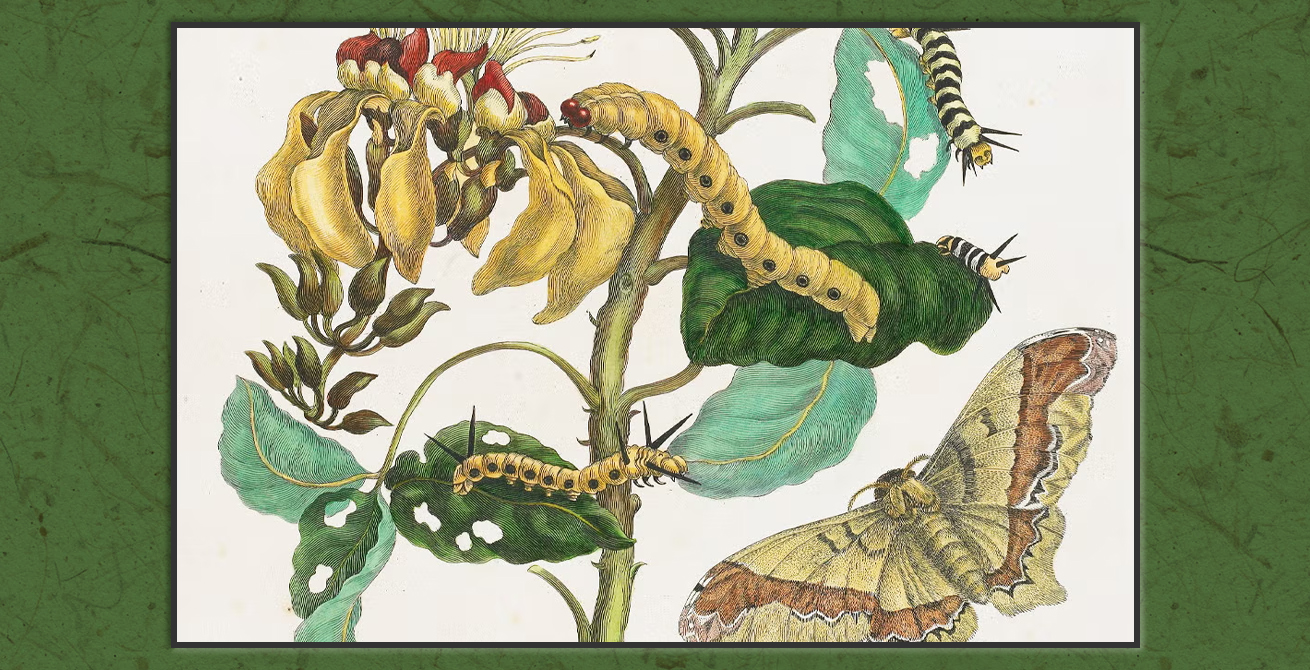
Many naturalists and science illustrators throughout history have kept nature journals, deepening our understanding of nature and inspiring future artists. Maria Sibylla Merian, for example, was a German naturalist in the late 1600s who studied tropical insects in Dutch Guiana. Merian didn’t just produce eye-popping illustrations like the one at the top of this blog post–her observations revolutionized our understanding of insect life cycles.
Nature journaling offers countless benefits, even if you don’t consider yourself an artist or a scientist. Taking time to engage with nature can improve your mental health and foster a deeper connection to the world around you. On a practical level, it’s a great way to hone your drawing, writing, and observation skills. Ultimately, you can be a more effective advocate for nature the more knowledgeable and connected you are to it.
So how do you get started?
How to start a nature journal
You don’t need expensive art supplies or access to remote wilderness. All you need to get started is a piece of paper, something to write and draw with, and the nature outside your front door. Even the heart of a major city like L.A. offers lots of nature to work with!
John Muir Laws, author of The Laws Guide to Nature Drawing and Journaling, has a formula for sparking questions and observations: I notice... I wonder... and it reminds me of... If you strive to finish these three sentences in a nature journal entry, then they can lead you down some wonderful rabbit holes of inquiry and discovery.
For example, with my divergent poppy leaves, I noticed that the two plants looked different. I wondered what led to the difference. Was it a natural variation? Did another poppy species sneak into my seed packet? Was it another plant entirely? In fact, when I looked closely, the leaves reminded me of a chamomile seedling. Could one of my chamomile seeds have sprouted in the wrong seed tray?
Once you set out with your paper and pen, there are lots of activities and formats you can use as inspiration. Botanical artist Lara Gastinger, for instance, keeps what she calls a perpetual journal, returning to the same two-page spreads every year to record the plant life she finds during that week.
Want to learn more about nature journaling?
Check out our neighborhood science initiative, including our DIY science kits! These kits can help you map mosquito habitats, monitor air quality, and more.
You can also check out some of the books listed below. Some of these titles serve as guidebooks, while others inspire you to start connecting with the natural world.
Oh, and my poppies? I thought about posting a photo to Reddit to ask other gardeners what’s going on. However, I decided to hold off. For now, I’m just going to keep observing. I think I’ll learn a lot more that way.
Recommended Reading

If you only get one guide to nature journaling, get this one. It’s comprehensive, easy to follow, and full of useful tips.
In this nature journaling guide, Clare Walker Leslie and Charles E. Roth offer tips, possible formats, and sample pages for inspiration.

This guide is for younger readers. Nature journaling can be a great family activity!
This DK guide to engaging with nature is filled with information on different species and ecosystems, along with tips on how to get out in nature.
Amy Tan’s account of the various birds who have visited her home demonstrates that nature journaling can be witty, warm, and full of heart.
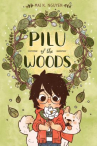
This graphic novel is first and foremost a poignant story of love and loss. It also has a guide to nature journaling at the end.
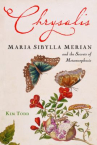
This biography of Maria Sibylla Merian details Merian’s life, voyage, and seismic scientific discoveries—including the scathing reaction of the scientific community when she published her findings.

With observations of everything from tectonic plates to wildflowers, this bestselling book is a stunning record of what makes California unique.
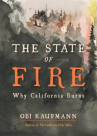
After the success of The California Field Atlas and other titles, author Obi Kaufmann turned his attention to the state’s relationship with fire. With LA still reeling from the Palisades and Eaton fires, his insights are more urgent than ever.
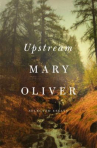
In this essay collection, Pulitzer-prize winning poet Mary Oliver explores the forests and streams around her home, celebrating the natural world.