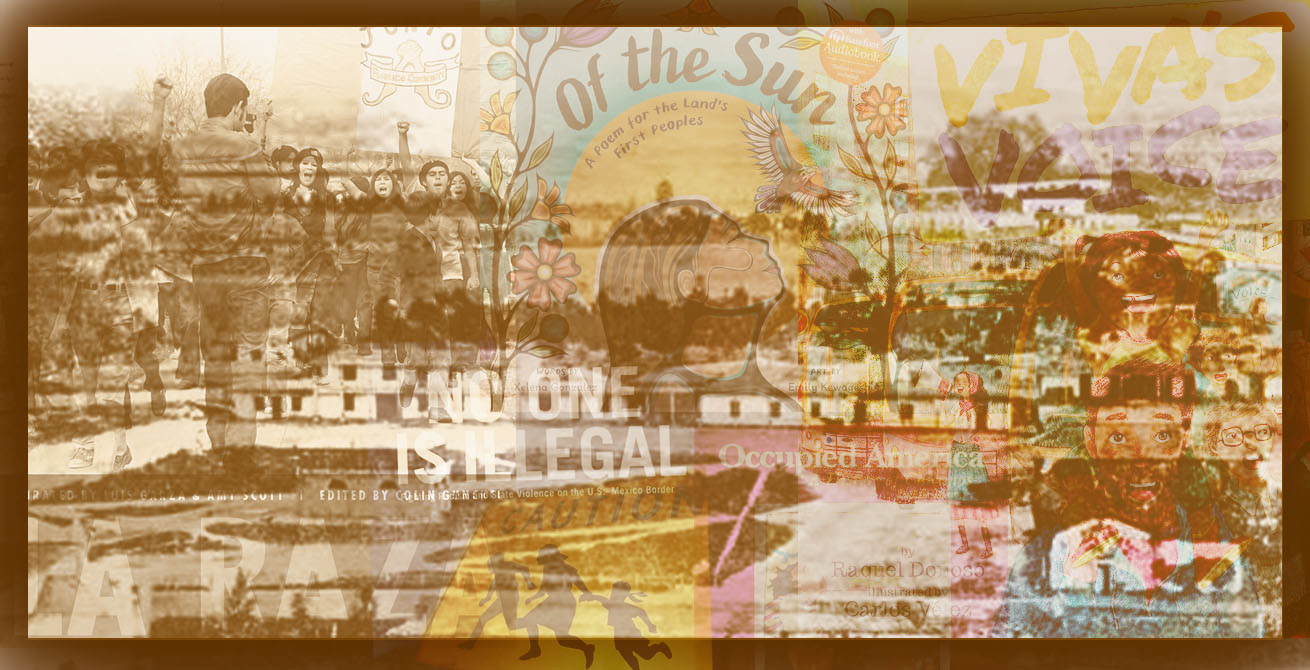
How do you celebrate a community under attack? How can you feel seen when you feel targeted? How do you feel you belong when you are constantly made to feel like an outsider? These questions are nothing new to the Latino community of Los Angeles.
As a fifth-generation Angeleno, my relatives have told me stories about their experience surviving the Zoot Suit Riots, neighbors have shared with me their decision to walk out of high school during the 1968 East L.A. Student Walkouts, and I personally remember the fear running through the city in 1994 when Proposition 187 was passed. Proposition 187 was passed to deny access to services like public schools and non-emergency healthcare to undocumented residents of California. Through all these ordeals, a unifying theme has been one of resilience and defiance. Resilience to preserve our community's dignity and defiance for anyone who thinks they can define us.
El Pueblo de Nuestra Señora la Reina de los Ángeles was founded on Tongva/Gabrieleno land in 1781 by Spanish colonizers, then became a part of the Mexican Empire in 1821 before being purchased by the United States in the 1848 Treaty of Guadalupe Hidalgo. Spanish names have been kept even if the Spanish-speaking inhabitants of the land are routinely vilified and scapegoated for bringing crime, disease, and, of course, taking "American" jobs.
Our words are our weapons, and our voices are our tools. The stories we remember and share shape our futures and nurture the collective spirit of our communities. The same people who escaped the Zoot Suit Riots would also share their stories of serving in World War II. I attended school in the same classrooms where students walked out, and I vividly recall the kids, just a few years older than me, who rallied against Prop 187.
They say history doesn't repeat; it rhymes, and knowing that the struggles our community is currently facing have been overcome before is life-affirming.
Recommended Reading

"Mestiza, Hispanic, Latinx, Chicano, illegal, Indian, migrant, Mexicano. Whatever they call you is merely a name. Your culture, your story remains just the same," writes Xelena Gonzalez in this uplifting poem dedicated to all Indigenous peoples of the Americas.
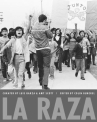
The book commemorates the photo exhibit of the Getty initiative Pacific Standard Time: La Raza. Displayed at the Autry Museum of the American West, it highlighted the photo archive of the local Chicano newspaper La Raza, which was formed in a church basement in Lincoln Heights.

A young girl’s firsthand account of protesting with her father for better working conditions for all bus drivers in Los Angeles.
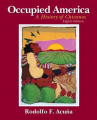
Authored by a former Los Angeles school teacher who went on to become a founder of the Chicano Studies program at San Fernando Valley College, this text is considered a definitive history of Chicanos in America.
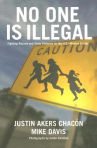
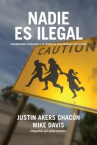
Justin Akers Chacon and Mike Davis co-author this indelible history of racialized, often state-sanctioned, violence used against those who migrate to America through the southern border.
Additional Resources
Ancestry Library Edition: Visit any Library location to access Ancestry Library Edition for free! Historical immigration documents, census lists, marriage, birth, and death certificates are all discoverable and can help inform your family history.
Access Newspaper Archive: Newspaper articles can provide an up-close and intimate account of historic events as they are happening. Millions of articles are available with your Library card from anywhere you can access the internet.