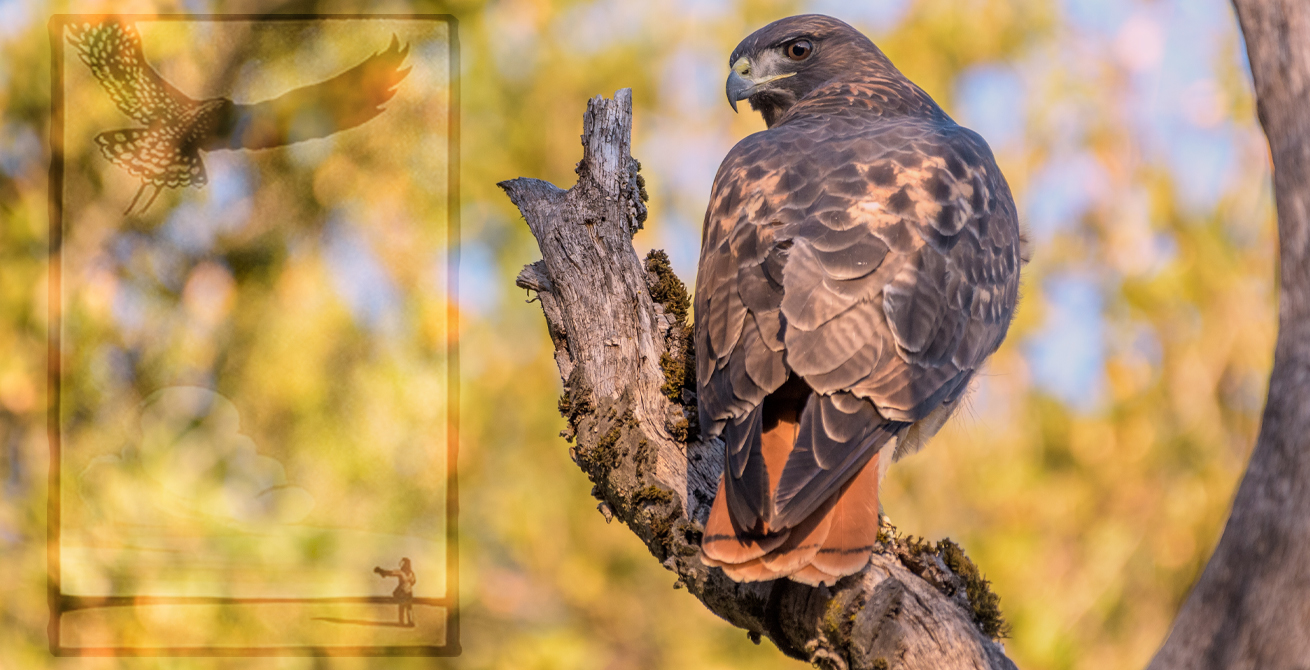
It's 4 p.m. on a peaceful Sunday in Griffith Park. Hikers stroll on the trails while children climb on a play structure. Suddenly, there's a commotion in the trees. Woodpeckers squawk and crows caw. A powerful bird emerges from where it was hidden, nearly invisible, in the branches. No wonder the smaller birds are worked up! A hawk is on the scene, possibly looking for dinner.
L.A. is home to many permanent and migratory species of raptors, the family of birds that includes hawks, eagles, owls, vultures, and other birds of prey. They can be hard to spot when they're camouflaged in the trees, but you might catch a glimpse of them surfing thermals high in the air, or perching on the tops of streetlights along the freeway. Red-tailed hawks are among the easiest to identify, with their fiery golden-red tails and dark wingtips on display as they soar. The signature hoo h-h-HOO hoo hoo of a great horned owl can sometimes be heard at twilight. One of the most common raptors in L.A. is the Cooper's Hawk, whose adults sport elegant gray plumage, while juveniles are mottled brown and white.
Raptors are known for their hunting prowess, feeding on creatures like rodents and small birds around the city. Hawks and falcons have incredible eyesight, honing in on small prey from the sky, while owls locate prey in the dark, using their disc-shaped faces to funnel sound into their ears like a satellite dish. If you spot a raptor while it's hunting, you might see it stooping—that is, tucking in its wings for a high-speed dive. When a peregrine falcon—also an L.A. resident species—goes in for a dive, it can reach speeds of over 200 miles per hour!
Along with their hunting and flying skills, L.A.'s raptors have fascinating personalities. "Spending time studying our raptors is such a delight and a wonder," says researcher Nurit Katz, who serves as co-director of the LA Raptor Study, supported by Friends of Griffith Park. The study, now in its tenth year, monitors raptor nests to understand how raptors are adapting to life in a metropolis. "There is always more to discover," Katz says. "I especially love observing the young juvenile raptors. They play like young kids, practicing hunting using pine cones and other items they find, and getting into trouble. It has changed how I see the city, knowing that they are all around us."
Katz isn't the only one who has noticed how playful raptors can be. British falconer Helen Macdonald writes about their goshawk Mabel's antics in their acclaimed memoir H is for Hawk (recently made into a film starring Claire Foy). "I roll a magazine into a tube and peer at her through it as if it were a telescope," McDonald writes. "She ducks her head to look at me through the hole. She pushes her beak into it as far as it will go, biting the empty air inside. Putting my mouth to my side of my paper telescope, I boom into it: 'Hello, Mabel.' She pulls her beak free. All the feathers on her forehead are raised. She shakes her tail rapidly from side to side and shivers with happiness."
Raptors are undoubtedly some of L.A.'s most charismatic non-human residents, but remember that they're wild animals. Don't try to get up close. Instead, observe them with a pair of binoculars, preferably in a place where your presence won't stress or disturb them (here's a tip: your parked car can act as camouflage if you sit inside it while watching). Better yet, help scientists study them by reporting a sighting to iNaturalist, eBird, or the Hawkwatch International Raptor ID app. The City of L.A. is particularly interested in tracking indicator species of biodiversity, such as red-tailed hawks and great horned owls, because their presence indicates high-quality habitat. You can also check out projects like the Big Bear Bald Eagle livestream, which shares the nesting activities of a bald eagle couple named Jackie and Shadow, or volunteer for a community science project like the LA Raptor Study.
Finally, LA's raptors are a sobering reminder that even in a major city, everything in an ecosystem is connected. Rat poison can harm the raptors that provide natural pest control by eating rodents, and tree trimming can disturb or destroy raptor nests, which is against the law. Katz recommends resources such as the Audubon Society's tree-trimming guide and pest control information at https://raptorsarethesolution.org/.
If you're flying high on raptor love, check out these books!
Let's Read About Hawks
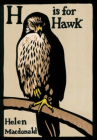
A poignant memoir chronicling Macdonald’s grief over the loss of their father, juxtaposed with their efforts to train a notoriously unruly species of hawk.
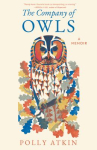
In this new memoir, Polly Atkin writes about chronic illness, solitude, and community through the lens of her relationship with the tawny owls living near her home in England.
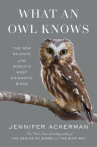
Jennifer Ackerman made a name for herself with her books The Bird Way and The Genius of Birds. In this book, she focuses on owls, exploring their biology, social dynamics, and relationships with humans.
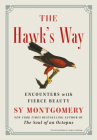
In this slim book, nature journalist Sy Montgomery tries her hand at falconry and guides readers through the hidden world of the hawk.
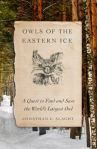
As a graduate student, Jonathan Slaught spent five years in the remote forests of Russia studying the world’s largest owls. This book chronicles Slaught’s years in the snow and ice as he tracks and observes these elusive creatures.
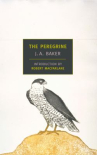
In this classic work of nature writing, J.A. Baker tracks a pair of peregrine falcons in the English countryside for almost a year, gradually feeling his consciousness melding with theirs.
A source of inspiration for Macdonald’s adventures with Mabel in H is for Hawk, The Goshawk is the story of how T.H. White—the author of The Once and Future King—tries to tame a goshawk of his own.
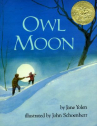
In this meditative children’s book, a young girl goes out one wintry night with her father, hoping to catch a glimpse of an owl.
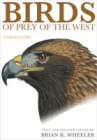
This comprehensive field guide contains detailed information about raptors in the western half of North America. It’s also filled with detailed drawings and paintings to help raptor enthusiasts identify their sightings.
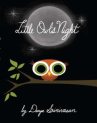
In this whimsical picture book, a baby owl visits all his nocturnal friends before dawn breaks. This book is perfect for starting conversations with your kids about which animals are active during the day, and which are awake at night.
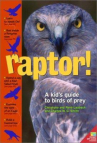
If you’ve got a raptor-obsessed kid in your life, this book is a must. Raptor! contains information on various species of raptors, along with activities and a removable pocket spy guide.