
Metal Based on What? The Surprising Source of Many Iron Maiden Songs


British rockers Iron Maiden are known for their epic, pyrotechnic stage shows, guitar-driven heavy metal, and the looming presence of Eddie, the ghoulish mascot who is the face of the band. But a lesser-known feature of Iron Maiden is the sources of their song inspiration: literature, history, and film.
Long appreciated as “thinking person’s metal,” the band is observing 50-plus years since their initial founding with their "Run for Your Lives" Tour. In anticipation of the band’s return to Los Angeles, we’re going to visit our Library catalog and root out the story behind the song.
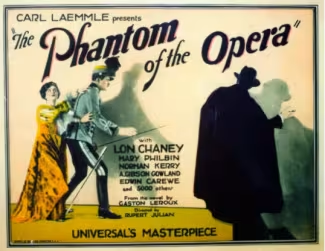
Known for its intricate guitar riffs, this show-stopping number is based on the silent Lon Chaney film about a disfigured opera star who terrorizes his former co-workers. One of the best silent films ever produced.

Few places on earth conjure up the darker aspects of the imagination like Transylvania. Iron Maiden released an instrumental ode to Bram Stoker’s horror masterpiece, Dracula, on their debut album in 1980. The novel is a chilling page-turner from start to finish, a prime example of gothic horror.
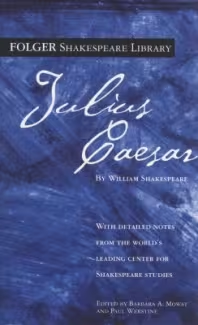
Beware the Ides of March! Well, Iron Maiden fans have delighted in the instrumental song "The Ides of March," which opens their second album, Killers, since 1981. Now read the Bard’s Tragedy of Julius Caesar, which chronicles the downfall and assassination of the Roman conqueror and the power struggle among Rome’s elite following Caesar’s demise.
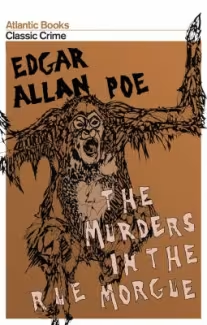
Iron Maiden based this number on the detective short story penned by Edgar Allen Poe. Join the cerebral Auguste Dupin, the literary predecessor of Sherlock Holmes, as he unravels a brutal double murder of two women. The ending may surprise you!
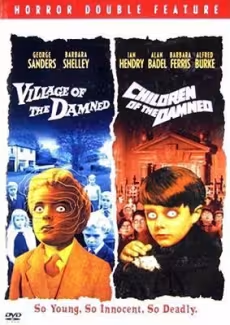
Iron Maiden drew inspiration for their song "Children of the Damned" from these rich horror classic films about half-alien children with tremendous psychic powers. Unforgettable and eerie in its visuals, these films are a must-see for any fan of the horror or sci-fi genres.

Iron Maiden’s rousing number “Run to the Hills” helped put the band over the top in the early days of MTV. Given the historical conquests of the American continents and the numerous bloody wars between colonists and natives, the song became a regular fixture at Maiden concerts. Now read a thorough account of the American conquest by Limerick and its driving force, profit.
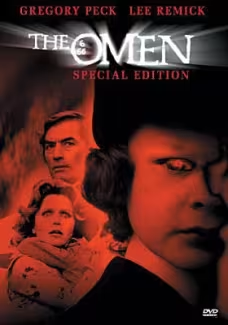
Iron Maiden drew countless controversies and accusations of being satanic from fundamentalist religious groups for this song, released in 1982. But the song was partially inspired by bassist Steve Harris's viewing of a late-night television screening of the film Damien: Omen 2. In this original horror film, which spawned a series of sequels, the Antichrist walks the Earth as a young child and terrorizes his adoptive family. Directed by Richard Donner and starring Gregory Peck and Lee Remick, this film stands out as one of the best horror films of the 1970s.
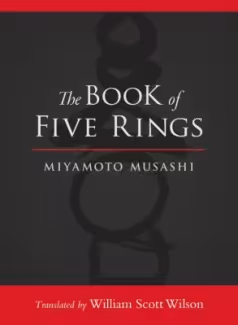
Iron Maiden captures the life and philosophy of the legendary samurai Miyamoto Musashi in their song "Sun and Steel." Now read Musashi’s own text about swordsmanship, philosophy, and strategy in this Zen tome, which is still studied in contemporary times for its ageless wisdom.
A deeper cut in the Iron Maiden archive is Quest for Fire, the band’s tribute to the 1981 epic film chronicling the quest of a group of Cro-Magnon cavemen to find and learn to use fire. A stunning film that is a universal epic because it relies on no language for communication.

Iron Maiden opens their album, Powerslave, with the rousing number "Aces High", a tribute to British Air Pilots in World War 2. Now read their remarkable story in this comprehensive book, which contains many photos and illustrations.
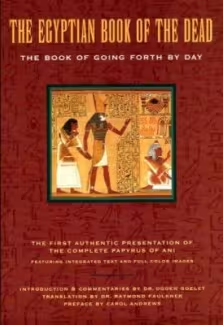
The Iron Maiden song "Powerslave" tells the tale of a dying pharaoh and the journey that lies beyond. Inspired in part by The Egyptian Book of the Dead, a 3,500-year-old mysterious and esoteric text that holds many clues for the understanding of ancient Egyptian psychology.

Iron Maiden released this stunning number on their metal/prog album Somewhere in Time in 1986. The film adaptation of this short story by Alan Sillitoe follows a rebellious youth with a talent for running who must come to terms with class and identity.
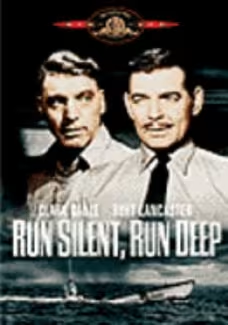
In this gripping World War 2 drama starring Burt Lancaster and Clark Gable, an American submarine must face off against a Japanese destroyer. Iron Maiden’s song of the same title captured the mood and tension of the same story.
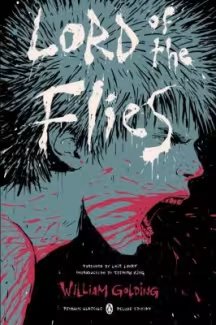
A group of schoolchildren are marooned on an island. They quickly descend into tribalism and ritual violence. This rousing classic was adapted by Iron Maiden for their tenth studio album, The X Factor. This novel by William Golding raises serious philosophical questions about innate human nature.
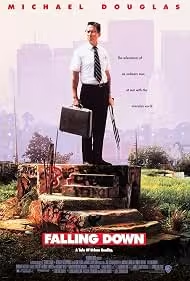
An unemployed and angry defense contractor goes on a violent spree through Los Angeles, righting what he perceives to be wrong. Iron Maiden’s song "Man on the Edge" is based on this film, which showcases the acting of star Michael Douglas.
Iron Maiden drew inspiration from this action film, starring and directed by Mel Gibson, for their song "The Clansman." Telling the tale of William Wallace, who led a revolt against the tyrannical rule of the English.

Read the troubling history that inspired the song "Montsegur" in this volume, which serves as a cautionary tale about religious violence.
There are many other examples of books and films that inspired Iron Maiden and other metal acts in our catalog. Often dismissed as mere folly, the heavy metal genre lends itself to such expression of drama and emotion in preexisting books, films, and stories.


